
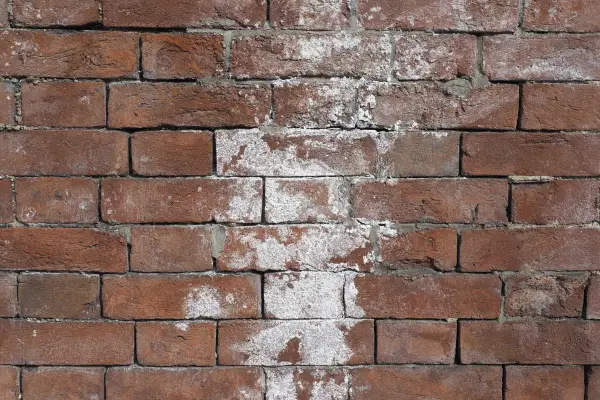
What Causes the White Haze on Florida Pavers and How Professionals Remove It
You invested in a beautiful paver patio or driveway, and within weeks a chalky white film appears across the surface. It looks like someone spilled powder or left a hazy stain that will not rinse away. For many Central Florida homeowners, this is an alarming and confusing sight.
The good news is that this white haze, known as efflorescence, is a natural and common occurrence. It is not a defect, and it does not mean your pavers are failing. Understanding what causes it and how it is properly addressed helps you protect the appearance of your investment.
What Efflorescence Actually Is
Efflorescence is a white, powdery deposit that forms on the surface of concrete pavers. It occurs when natural salts within the paver material migrate to the surface as moisture moves through the stone.
The process is straightforward. Water inside the paver dissolves naturally occurring mineral salts. As that moisture rises to the surface and evaporates, it leaves the salt behind as a visible white residue. The result is the cloudy haze that so many homeowners notice on new installations.
Why It Shows Up So Often in Central Florida
Our regional climate creates ideal conditions for efflorescence, which is why it appears so frequently on local hardscapes.
High Humidity and Moisture
Central Florida’s abundant moisture and humidity keep pavers damp, feeding the cycle of moisture movement that carries salts to the surface. The more moisture present, the more pronounced efflorescence can become.
Heavy Rainfall and Ground Water
Frequent rain and high water tables mean pavers are regularly exposed to water from both above and below. This constant moisture cycle is a primary driver of the white haze, especially on newer installations where salt content is highest.
New Installations
Efflorescence is most common in the first several months after a project is completed, because that is when pavers contain the most soluble salts. Over time, as these salts work their way out, the tendency to develop haze naturally decreases.
Why This Is a Job for Professionals
It is tempting to treat efflorescence like ordinary dirt, but that approach often makes the problem worse. Improper cleaning methods can drive moisture deeper, damage the paver surface, or trap the haze beneath a sealant.
Correct Cleaning Solutions
Efflorescence requires specialized cleaning products designed to dissolve mineral salts rather than ordinary soaps or pressure alone. Using the wrong solution can etch the surface or leave the deposits behind. Professionals understand which products are appropriate for the specific paver type.
Proper Timing and Technique
Removing efflorescence at the right stage matters. Addressing it too aggressively or too early can interfere with the natural release of salts. Experienced crews know how to clean the surface effectively while allowing the process to run its course, restoring the rich color hidden beneath the haze.
Sealing at the Right Moment
One of the most common and costly mistakes is sealing pavers while efflorescence is still active or present. Doing so can trap the white residue beneath the sealant, locking in the haze permanently. This is precisely why professional paver sealing protects against Florida’s humidity and sun only when it is applied correctly and at the proper time.
How to Keep Pavers Looking Their Best
While efflorescence itself is natural, ongoing care keeps hardscapes vibrant and reduces related issues. Proper drainage that carries water away from paved surfaces limits excess moisture, and a professional maintenance routine keeps pavers clean and protected over the long term.
Because the appearance of efflorescence is tied so closely to moisture, well-planned installations account for water movement from the very beginning. A quality paver patio or driveway installation considers base preparation and drainage that help manage the moisture cycle behind that stubborn white haze.
The Bottom Line on White Haze
Seeing a chalky film on new pavers is unsettling, but it is rarely a cause for panic. Efflorescence is a natural byproduct of the materials and our humid Central Florida climate, and it responds well to proper professional treatment. What matters most is resisting the urge to attack it with the wrong methods, which so often leads to permanent damage or trapped haze.
If your pavers have developed a stubborn white film and you want them restored to their original beauty, explore the paver services available and learn how proper cleaning and sealing keep your hardscape looking its best for years to come.


