
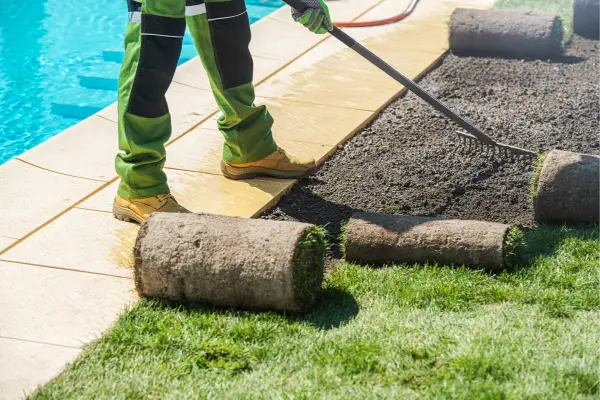
How Landscape and Hardscape Design Work Together for a Cohesive Yard in The Villages
Creating a visually stunning and functional outdoor space in The Villages requires more than separate design elements. True curb appeal and outdoor usability come from the seamless integration of landscape design and hardscape installation. When plants, trees, lighting, and natural features work in harmony with paver patios, driveways, walkways, retaining walls, and outdoor living structures, the result is a balanced and cohesive yard that enhances property value and lifestyle.
For homeowners in The Villages, where outdoor living is central to daily life, combining professional landscape planning with expertly installed hardscape ensures durability, beauty, and long-term performance.
What Is the Difference Between Landscape and Hardscape?
Understanding how these two elements differ is the foundation of cohesive design.
Landscape design focuses on living components such as grass, trees, shrubs, flowers, and irrigation systems. It also includes natural shaping of the land to create flow and visual balance.
Hardscape design involves permanent structural features like paver driveways, patios, pool decks, retaining walls, fire pits, outdoor kitchens, and walkways.
While landscape elements bring softness and color, hardscape features provide structure and function. The key to a beautiful yard in The Villages is ensuring both components complement each other rather than compete for attention.
Why Integration Matters for Yards in The Villages
Enhancing Curb Appeal Through Balance
A property with only plants can feel unfinished. A property with only hard surfaces can feel cold and uninviting. When properly integrated, landscape and hardscape elements create depth, contrast, and visual harmony.
Strategic placement of paver walkways, garden beds, and retaining walls enhances architectural features while naturally framing greenery. This balance improves curb appeal and makes outdoor spaces feel intentional and professionally designed.
Improving Functionality and Outdoor Living Space
In The Villages, outdoor entertaining and relaxation are priorities. Hardscape elements define usable areas for dining, seating, grilling, and gathering. Landscape design softens those spaces and provides shade, privacy, and visual interest.
For example:
- A paver patio creates a durable foundation for outdoor furniture.
- Surrounding plant beds add privacy and reduce heat reflection.
- Decorative shrubs or ornamental grasses soften the edges of retaining walls.
- Lighting integrated into walkways improves safety and nighttime ambiance.
When these features are designed together from the start, the result is a seamless outdoor living environment that feels natural and functional.
Key Hardscape Elements That Support Landscape Design
Paver Driveways and Walkways
Driveways and walkways are often the first elements visitors notice. Choosing high-quality interlocking pavers not only improves durability but also enhances design flexibility.
Properly installed paver pathways can:
- Guide movement through landscaped areas
- Define transitions between lawn and garden sections
- Frame entranceways with structured elegance
Integrating planting beds alongside walkways softens hard edges and creates a welcoming approach to the home.
Retaining Walls and Elevated Planting Areas
Retaining walls serve both structural and aesthetic purposes. They manage elevation changes while creating tiered planting spaces that add dimension to flat properties common in The Villages.
When constructed with complementary materials, such as matching or contrasting pavers, retaining walls blend naturally with surrounding landscaping. Adding shrubs, decorative rocks, or flowering plants along wall edges enhances visual continuity.
Pool Decks and Outdoor Entertainment Areas
Pool areas require careful coordination between hardscape surfaces and plant selection. The right combination ensures safety, durability, and aesthetic appeal.
Key considerations include:
- Slip-resistant pavers for wet surfaces
- Heat-reflective materials to reduce surface temperature
- Low-maintenance plants that tolerate humidity and water exposure
- Strategic placement of greenery for privacy without dropping excessive debris
A well-designed pool deck becomes an extension of the home rather than an isolated feature.
How Professional Design Planning Ensures Cohesion
Successful integration of landscape and hardscape requires detailed planning before installation begins.
Site Assessment and Layout Planning
Professional designers evaluate:
- Soil conditions
- Drainage patterns
- Sun exposure
- Property size and topography
This assessment ensures paver placement supports proper water runoff while plant selection thrives in available sunlight.
Material Selection for Visual Harmony
Choosing compatible materials strengthens overall design consistency. Color tones in pavers should complement exterior home finishes and landscape elements.
Earth-toned pavers pair beautifully with tropical plantings, while modern gray or charcoal surfaces enhance contemporary architectural styles. Consistency in texture and color creates a polished final look.
Long-Term Maintenance Coordination
Landscape and hardscape maintenance must work together to preserve appearance and function.
Paver surfaces may require periodic cleaning and sealing. Landscaping needs pruning, irrigation adjustments, and seasonal care. Coordinating these maintenance efforts prevents plant overgrowth from damaging hardscape edges and ensures drainage systems remain clear.


