
How Gutter Downspout Relocation Stops Foundation Damage in Ocala Homes
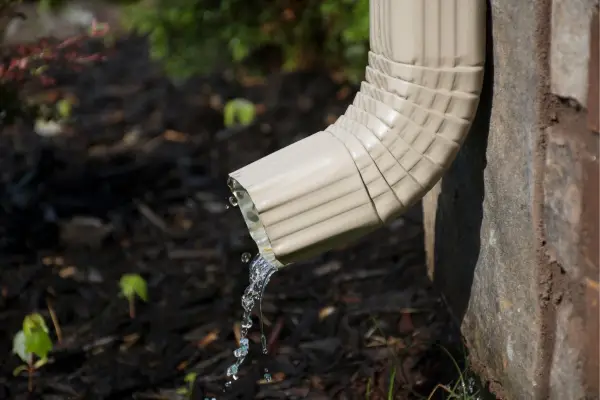
Most Ocala homeowners never think about their gutter downspouts until something goes wrong. Standing water appears against the foundation after every rainstorm. Mulch washes out of planting beds. Walkway pavers start settling unevenly. Mysterious moisture stains appear on interior walls near the baseboards.
By the time these warning signs become obvious, water has already been attacking your home’s foundation for months or even years. The culprit in a surprising number of cases turns out to be something deceptively simple: gutter downspouts that dump water directly against or dangerously close to your foundation walls.
Professional gutter downspout relocation solves this problem permanently, redirecting water away from your home and protecting your most valuable investment from preventable damage.
Why Ocala Homes Face Elevated Downspout Risks
Ocala’s climate and soil conditions create a perfect storm for downspout-related water damage that homeowners in drier, colder regions rarely experience.
Extreme Rainfall Volume
Marion County receives approximately 50 inches of rain per year, with the majority falling in intense afternoon thunderstorms between June and October. A single heavy downpour can dump thousands of gallons of water off your roof and through your gutter system in minutes. When downspouts deposit that concentrated water volume directly at the base of your home, the soil becomes saturated instantly.
Sandy Soil That Channels Water Toward Foundations
Ocala’s sandy soil absorbs water quickly but also moves it laterally with minimal resistance. Water dumped at the foundation wall does not simply soak straight down. It follows the path of least resistance, which often means traveling along the foundation footing and pooling in low spots beneath and around the structure.
Flat Lot Grading That Traps Moisture
Many Ocala residential properties sit on relatively flat lots where water has nowhere obvious to go. Without proper grading away from the foundation, downspout discharge sits against the home until it slowly percolates into the ground. During Florida’s rainy season, the ground often stays saturated for days, keeping water in constant contact with foundation walls and slabs.
The Damage Poorly Positioned Downspouts Cause
The consequences of downspouts that discharge too close to your home range from cosmetic nuisances to serious structural threats.
Foundation Settling and Cracking
Repeated saturation and drying cycles cause the soil beneath and around your foundation to expand and contract. Over time, this movement creates differential settling where one section of the foundation drops lower than another. Cracks appear in foundation walls, interior walls develop diagonal stress fractures, and doors and windows begin sticking in their frames.
Erosion Around the Foundation Perimeter
Concentrated water flow from downspouts carves channels in the soil along your foundation, exposing the concrete footing and creating voids beneath walkways, patios, and driveways. This erosion undermines adjacent hardscape features and accelerates the settling process.
Mold, Mildew, and Moisture Intrusion
Saturated soil against foundation walls drives moisture through microscopic pores in the concrete, creating damp conditions on interior walls, baseboards, and flooring. In Ocala’s warm, humid climate, these damp areas quickly develop mold and mildew that threaten indoor air quality and require expensive remediation.
Landscape and Hardscape Damage
Water cascading from poorly positioned downspouts washes away mulch, displaces decorative rock, erodes planting beds, and undermines the base beneath paver walkways and patios. Homeowners who invest in beautiful hardscaping and landscaping near their foundation watch their investment deteriorate every rainy season because of a downspout problem they never identified.
How Professional Downspout Relocation Works
Professional gutter downspout relocation redirects water from its current discharge point to a safe distance from your home, typically 10 feet or more from the foundation wall.
Assessment and Drainage Mapping
A professional team inspects your entire gutter system, identifies every downspout discharge point, evaluates the surrounding grading and drainage patterns, and determines the optimal relocation points for each downspout. This assessment considers your home’s specific layout, lot topography, and existing landscape features.
Underground Extension Installation
The most effective relocation method involves connecting each downspout to an underground PVC pipe that carries water through a buried channel to a designated discharge point far from the foundation. This underground approach keeps the extension completely hidden, maintains your landscape aesthetics, and eliminates the tripping hazards and mowing obstacles that above-ground extensions create.
Discharge Point Selection
The discharge endpoint should direct water toward a natural drainage path, a dry well, or a graded area where it flows away from the property rather than toward a neighbor’s yard or back toward your home. Professional installers select discharge points based on the entire property’s drainage map, not just the most convenient location.
When to Combine Downspout Relocation With Other Drainage Solutions
In many Ocala homes, downspout relocation works most effectively as part of a comprehensive drainage strategy. Properties with persistent standing water, heavy clay pockets, or low-lying areas often benefit from combining downspout relocation with French drain installation that intercepts subsurface water before it reaches the foundation. Adding proper landscape grading that slopes soil away from the home at a minimum two percent grade creates the final layer of protection.
This integrated approach ensures that water from every source, whether it falls from the roof, flows across the surface, or moves underground, travels away from your home rather than toward it.


