
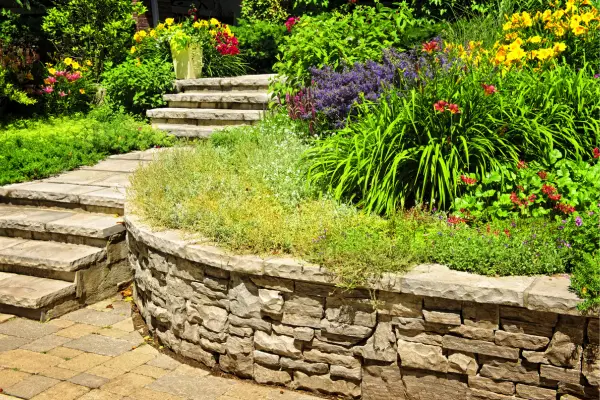
How Belleview Homeowners Use Retaining Walls to Solve Stubborn Yard Problems That Won’t Go Away
Every Belleview homeowner knows the frustration. You fix the erosion behind your house, and three rainstorms later, it’s worse than before. You plant grass on that slope, and it washes away within weeks. You watch helplessly as soil from your raised beds migrates across your walkway after every downpour.
These aren’t cosmetic inconveniences. There are structural problems that worsen with every rainfall cycle. And in Belleview, where afternoon storms dump inches of rain between May and October, “waiting it out” is never a strategy that works.
Retaining walls solve these problems permanently. But not in the generic, boring way most people imagine. Here’s how Belleview homeowners are actually using them to transform problem yards into functional, beautiful outdoor spaces.
Stopping Soil Erosion That Threatens Your Home’s Foundation
Belleview sits on rolling terrain that Central Florida is known for. Properties here frequently have grade changes of two to four feet within a single backyard. When it rains, water cascades downhill, carrying topsoil with it and depositing sediment against foundations, across patios, and into storm drains.
A retaining wall interrupts this destructive cycle by holding soil in place at its original elevation. The wall bears the lateral pressure that gravity and water create, keeping your landscape intact regardless of how hard it rains.
Turning Unusable Slopes Into Flat, Functional Spaces
That sloped section of your Belleview yard? The one where nothing grows properly, and you can’t place furniture or entertain? It’s not wasted space. It’s unrealized potential.
Terraced retaining walls create flat plateaus from angled terrain. Suddenly, that slope becomes a level paver patio for dining outdoors. Or a level surface for a fire pit gathering area. Or simply a flat lawn where grandchildren can play safely without sliding downhill.
How Terracing Multiplies Your Usable Outdoor Space
A yard with a six-foot grade change across 30 feet of depth feels small because you can’t use the slope. Two retaining walls at three feet each create two completely flat areas, effectively doubling your functional outdoor square footage without adding a single inch to your property line.
Creating Dramatic Garden Beds That Actually Hold Their Soil
Flat garden beds in Belleview lose their mulch and decorative rock constantly. Every storm event moves material around. Every irrigation cycle displaces lightweight mulch. The result is beds that look neglected within weeks of being freshly dressed.
Raised retaining wall beds solve this completely. The wall contains everything inside it: soil, mulch, rock, root systems, and moisture. Your plantings stay hydrated longer because water doesn’t sheet off the surface. Your trees and shrubs develop stronger root systems because the soil remains consistent and undisturbed.
Adding Architectural Interest to a Flat, Boring Front Yard
Not every retaining wall solves a drainage emergency. Some simply make properties look dramatically better. Belleview’s older neighborhoods feature homes with flat front yards that lack visual depth or dimension. A low decorative retaining wall (even 12 to 18 inches) introduces elevation changes that create shadow, texture, and layering.
Combined with landscape lighting, these walls create nighttime drama that transforms a forgettable front yard into a neighborhood standout. The wall becomes a design element rather than just a structural necessity.
The Property Value Impact Nobody Talks About
Real estate appraisers in Marion County assess outdoor improvements as part of your home’s overall value. A professionally installed retaining wall signals structural problem-solving and design investment to prospective buyers. It tells them the yard works properly, drainage is handled, and the landscape will maintain itself long term.
Belleview homes with finished hardscape features, including retaining walls, paver patios, and landscape curbing, consistently sell faster and closer to the asking price than comparable homes without these improvements.
When Is the Right Time to Add a Retaining Wall
The honest answer: before the problem escalates. If you’re noticing soil movement, mulch migration, foundation moisture, or unusable slopes on your Belleview property, the erosion is already active and worsening with every storm.
Contact New Image Hardscapes & Pavers for a free on-site evaluation. We’ll assess your grade, drainage patterns, and soil conditions to determine whether a retaining wall is the right solution and where it should be placed for maximum effectiveness.


