
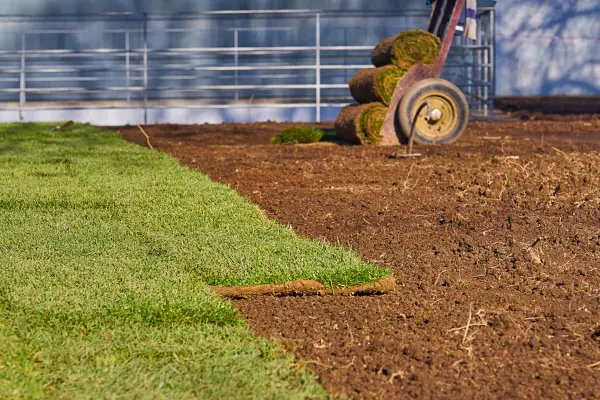
How Poor Yard Grading Destroys New Sod Within Weeks of Installation
New sod should establish quickly in Central Florida’s warm climate. The conditions are ideal for root development, and with proper watering, a newly sodded yard should be green and thriving within a few weeks. When it fails, homeowners naturally blame the sod quality, the watering schedule, or the timing of installation.
But in many cases, the real problem is beneath the sod and was present before it ever arrived. Poor yard grading creates drainage patterns that drown grass in some areas and starve it in others. No amount of watering adjustment can overcome a grading problem, and new sod installed over bad grading is almost always destined to fail.
What Yard Grading Means
Grading is the shape and slope of the ground across your property. Proper grading directs water away from structures, prevents pooling, and ensures even distribution across the lawn surface. It is the invisible architecture of your yard that determines where water goes after it rains.
When grading is correct, water moves predictably and drains evenly. When it is wrong, water collects in low spots, runs too fast across slopes, and creates conditions that kill grass regardless of species or quality.
How Bad Grading Kills New Sod
The relationship between grading and sod health is direct and unforgiving.
Standing Water Drowns Root Systems
Low areas where water pools after rain keep sod saturated. Florida’s afternoon storms can leave low spots underwater for hours. New sod with undeveloped root systems cannot survive repeated flooding. The roots suffocate, the grass yellows, and the sod dies in those areas within weeks.
High Spots Dry Out Immediately
Elevated areas shed water too quickly. New sod on high spots never receives enough moisture for root establishment. The edges curl, the grass browns, and no watering schedule can compensate because the water runs off before it soaks in.
Uneven Slopes Create Washout
Areas with excessive slope allow water to sheet across the surface, carrying topsoil and pulling at sod edges. This prevents root contact with the soil below, and the sod never anchors properly.
Why Grading Problems Are Not Always Obvious
A yard can look flat to the eye and still have grading problems. Differences of just a few inches over large areas are enough to create destructive drainage patterns.
Previous Construction Disturbance
Home construction, additions, and pool installations disturb natural grade. Contractors may backfill unevenly or leave compacted areas next to loose fill. These inconsistencies are invisible under a thin layer of topsoil.
Settling Over Time
All soil settles, especially fill material. A yard that was graded correctly at construction may develop low spots years later as the soil compacts. Installing new sod over settled areas without correcting the grade ensures failure.
Hidden Compaction Zones
Soil compacted by equipment, foot traffic, or storage creates areas where water cannot penetrate. These areas pool on the surface while surrounding soil drains normally, creating the patchwork of green and dead that frustrates homeowners.
What Proper Grading Before Sod Looks Like
Correcting grade before sod installation is one of the most important steps in the process.
Surveying Existing Drainage
A professional evaluation identifies where water currently flows, where it pools, and where grade changes are needed. This assessment guides all correction work.
Adding or Removing Soil
Low areas receive fill material, compacted in layers to prevent future settling. High areas are cut down to match the target grade. The goal is a consistent slope that moves water away from structures and distributes it evenly.
Final Grading and Smoothing
Once major corrections are made, the surface is fine-graded to remove bumps, dips, and transitions that would show through the sod. This creates the smooth, even surface that new sod needs for full root contact.
Professional sod installation services include grading evaluation as a fundamental part of the process, because experienced installers know that sod placed over bad grading will not survive.
The Cost of Skipping This Step
Sod is not cheap. Installing it over bad grading means paying for material that fails, then paying again for removal, grading correction, and reinstallation. The cost of doing it right the first time is always less than the cost of doing it twice.
Beyond the financial cost, failed sod means months of looking at a dead or dying lawn while waiting for corrections and regrowth. Proper grading eliminates that frustration entirely.
Build Your Lawn on the Right Foundation
A beautiful Florida lawn starts beneath the surface. Grading is the foundation that determines whether your sod thrives or struggles, and it must be addressed before the first roll is ever laid. If your new sod is failing in patches despite consistent watering, the ground beneath it may be the real problem.


