
How French Drains Protect Your Foundation and Lawn
When heavy rain turns your yard into a swamp and your basement into a water park you never wanted, the solution isn’t just mopping up, it’s prevention. A well-designed French drain doesn’t just solve drainage problems; it protects the heart of your home: your foundation and your lawn. By channeling water away from the structure through a network of pipes, gravel, and trenches, this unassuming system is like a silent bodyguard for your property, quietly working beneath the surface.
Understanding the French Drain and Why It Matters
A French drain is more than just a trench with a pipe; it’s a strategic drainage solution designed to draw water away from trouble spots before it can damage your home. Knowing how it works helps you see why it’s one of the most effective home improvement investments for protecting your property.
What a French Drain Is and How It Works
Invented in the 1800s by Henry French, the French drain is a simple yet ingenious drain system designed to draw water away from problem areas. It consists of a sloped trench filled with gravel and a perforated pipe that redirects water away from your foundation or yard. By allowing water to seep through gravel instead of pooling on the ground’s surface, the system provides a safe path for water to flow, protecting your home from costly damage.
How a French Drain System Prevents Water Damage to Your Home
A properly installed subsurface drain system channels water away from the foundation before it can cause cracks, seep into the basement walls, or increase hydrostatic pressure. Whether it’s an interior French drain along the basement perimeter or an exterior curtain drain placed around the property, both work to keep water moving in the direction you want, away from your home.
The Role of Pipes, Gravel, and Trenches in Effective Drainage
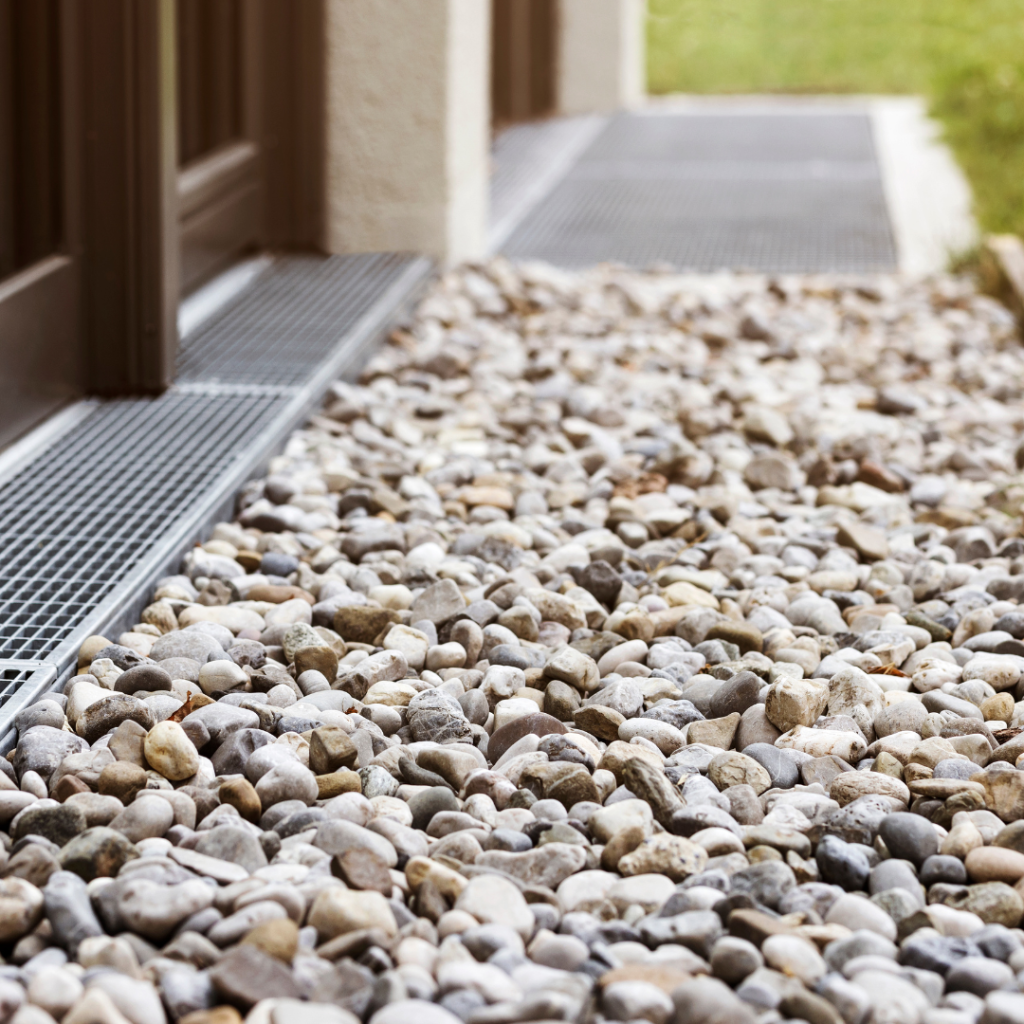
Every French drain installation relies on precision. The drainage pipe must be placed at the bottom of the trench with just the right slope, typically one inch for every eight feet, to allow water to flow. The gravel-filled trench acts as a filter, preventing the passage of particles and debris that could clog the pipe. This combination of stone or gravel and perforated drain pipe ensures a suitable drainage system that stands the test of time.
How French Drains Safeguard Your Foundation
Your foundation is the backbone of your home, and excess water is its silent enemy. A properly installed subsurface drain system redirects runoff, prevents erosion, and relieves pressure that can crack or weaken your foundation over time.
Preventing Foundation Cracks Through Proper Drainage
Water pooling around the perimeter of the home can lead to shifting soil and eventual foundation cracking. By redirecting water away from the house, a French drain relieves pressure, stabilizes the soil, and helps protect your structure against hydrostatic pressure.
Protecting Basements and Crawl Spaces from Water Intrusion
A wet basement isn’t just inconvenient; it’s a red flag for serious drainage problems. Weeping tile or an interior French drain placed along basement walls channels water directly to a sump pump or storm drain, keeping your basement dry even during heavy rain.
Stopping Soil Erosion That Can Weaken Your Foundation
Uncontrolled water flow can wash away soil from around retaining walls and footings. By installing a French drain around the foundation, you prevent this erosion, ensuring the soil stays where it belongs and your foundation remains strong.
How a French Drain Protects and Improves Your Lawn
Beyond protecting your home, a water diversion system also keeps your lawn beautiful and functional. By managing runoff and eliminating soggy spots, it prevents root damage, supports healthy landscaping, and enhances curb appeal year-round.
Eliminating Lawn Flooding and Standing Water
Standing water not only kills grass but can invite pests and create unsafe, muddy patches. A drainage trench fitted with a drain pipe gives excess water an escape route, restoring your lawn’s beauty and usability.
Preventing Root Rot and Lawn Damage from Poor Drainage
Roots need oxygen as much as they need water. Prolonged saturation suffocates them, leading to dead patches and unhealthy landscaping. A French drain ensures water can flow away quickly, giving your lawn the balance it needs.
Maintaining Healthy Grass and Landscaping Year-Round
From lush summer turf to a tidy winter lawn, French drains support your landscape by keeping runoff controlled and moisture levels optimal, even in low-lying areas prone to flooding.
Signs You Need a French Drain
Not every drainage problem announces itself loudly. Discover the subtle changes that signal the need for a drainage solution.
Spotting Drainage Problems Before They Damage Your Property
Soft, spongy soil near the perimeter of the home, water seeping into your basement, or puddles forming long after rain stops are all signs you may need a French drain.
When Persistent Wet Areas Signal the Need for a Drain System
If certain spots in your yard never dry out, even during moderate weather, it may mean water drainage is blocked or inadequate, and a French drain system could be the answer.
Maintaining Your French Drain for Long-Term Protection
Even the best drain system needs care. Routine inspections, debris removal, and simple seasonal upkeep can keep your French drain working efficiently for decades, protecting your foundation and landscape from water damage.
Seasonal Maintenance Tips to Keep Water Flowing
Check your drainage area for debris buildup and ensure gravel remains clear of dirt. Seasonal inspections after heavy rain can help you catch small issues before they become big repairs.
Preventing Clogs in Your French Drain Pipes
Roots, silt, and sediment can slowly block your drain pipe. Flushing the system or hiring a professional for routine maintenance will ensure your French drain provides consistent protection.
Final Thoughts – A Smart, Lasting Solution for Drainage Problems
By installing a French drain around the perimeter of your property, you’re not just fixing today’s drainage problems; you’re making a long-term investment in your home’s safety, value, and beauty. It’s a simple yet powerful way to protect your business of home ownership: keeping water where it belongs, and your foundation and lawn in top condition for decades.


