
The Best Mulch and Rock Options for Central Florida Landscape Beds to Improve Soil and Plant Health
If your outdoor space is starting to look tired, your flower beds are losing their pop, or weeds are creeping into places they don’t belong, it might be time for a ground cover makeover. In Central Florida’s unique climate, two popular choices dominate the conversation: mulch and rock. But deciding which is the best choice for your landscape beds isn’t just about looks; it’s about soil health, plant growth, curb appeal, and how much maintenance you want to deal with year after year.
The secret? Choosing between rock or mulch (or a clever mix of both) can completely transform your garden beds, not just visually, but in the way your plants thrive, how your soil temperature is regulated, and how easily you can keep weeds away. Let’s dig in.
Understanding the Differences Between Rock and Mulch in Landscaping
The battle of rock vs mulch has been going on for decades, but here in Central Florida, the differences matter even more. Each material changes how your plant beds look, how your soil behaves, and how much work you’ll have to do to keep weeds from taking over.
How mulch supports soil quality and plant health in Florida’s climate
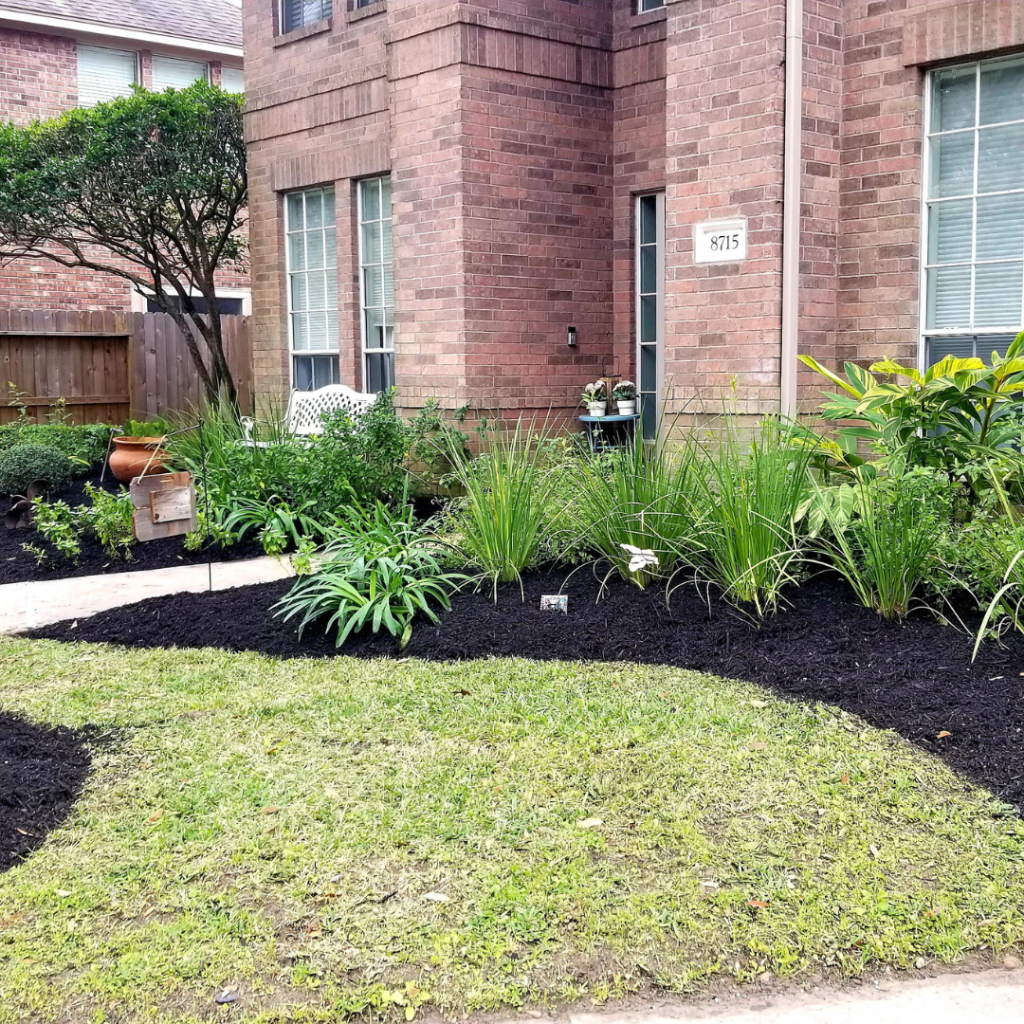
Mulch helps create a living, protective blanket over your soil, shielding plant roots from the blistering Florida sun and keeping moisture in the soil where plants can use it. Organic mulches such as bark mulch and wood chips are made from organic materials that add nutrients to the soil as they break down over time. This natural process feeds your plants while also helping to prevent weed seeds from sprouting. Mulch also helps regulate soil temperature and reduce erosion during heavy rains, creating an environment where plant growth can truly flourish.
Why rock offers durability and low maintenance for certain areas
While rocks don’t add nutrients, they shine in areas where you want a low-maintenance, permanent solution that you don’t need to replace every season. Rocks are great for high-traffic areas, steep slopes, or beds prone to washouts because they allow water to drain quickly without shifting or decomposing. They create a tidy appearance year after year with minimal clean-up. However, be mindful, rocks can raise soil temperature, which may be detrimental to plant roots that prefer cooler conditions, making plant selection a crucial consideration.
When to choose one over the other, or combine both in your design
You don’t have to think of mulch vs rock as a battle with only one winner. Many successful hardscape and landscape designs combine the two, using rock for structure and pathways, and mulch for plant beds where soil enrichment and moisture retention are a priority. This blended approach allows you to enjoy the benefits of mulch and rock strategically, achieving curb appeal, healthier soil, and reduced maintenance all in one thoughtful design.
Choosing the Best Option for Your Landscape and Plant Beds
Your landscape is more than just plants; it’s a living system that should be tailored to your property’s style, function, and long-term care needs. Understanding how rock and mulch fit into your goals will make the decision easier and the results longer-lasting.
Evaluating your landscape goals: aesthetics, function, and plant needs
Start by thinking about what you want your outdoor space to feel like. If you envision soft, lush garden beds that improve soil health over time, mulch may be your go-to. If you want crisp lines and a tidy, structured look that holds up in high-traffic areas, you may choose rocks. Your planting style, plant species, and desire for low-maintenance care will help determine your best choice.
Factoring in soil type, sun exposure, and Central Florida’s weather
Central Florida’s climate delivers heat, humidity, and intense rain, conditions that affect both rock and mulch performance. In sandy soil, mulch helps lock in moisture in the soil and prevents weeds from germinating, while rocks are a great option in areas where you need water to drain quickly. If your beds are in full sun, remember that rocks can increase soil temperature, while mulch keeps roots cooler and hydrated longer.
Balancing plant health benefits with long-term maintenance demands
While organic mulches enrich soil and boost plant growth, they need to be replaced every 12–18 months. On the other hand, rocks don’t need to be replaced as often, offering low-maintenance appeal, but they don’t add any nutrients and may require occasional cleaning. Deciding between the two means weighing plant health benefits against the time and cost of upkeep.
Mulch Options That Work Best in Central Florida Landscapes
Not all mulch is created equal; especially when dealing with Florida’s blazing sun, heavy rain, and sandy soil. Choosing the right type can mean the difference between thriving plant beds and constant replanting.
Pine bark, pine straw, and other organic mulches for healthy soil
Bark mulch, wood chips, and pine straw are made from organic materials that add nutrients to the soil as they decay. They work well for acidic soil and help keep weeds at bay. Their natural texture and earthy aroma also add visual warmth and richness to your flower beds, enhancing your property’s curb appeal.
Melaleuca, eucalyptus, and eco-friendly choices for sustainability
If sustainability is part of your gardening needs, these organic mulches provide excellent moisture retention, repel certain pests, and resist decomposition longer than many other types. They also break down into a fine compost that can help your soil stay fertile without the need for extra fertilizer.
Mulches to avoid in Florida and why they may harm your beds
Not all mulch is created equal. Some, like cypress mulch, may be bad for plant roots in Florida’s climate because they compact and block water penetration. Others may contain weed seeds or create overly alkaline conditions, disrupting your soil health.
Where and When Rock Is the Better Choice for Your Landscape Beds
Rock and mulch each have their place in a well-designed yard, but rock offers unique advantages that mulch simply can’t match. From handling heavy rain to creating sharp, clean edges in your hardscape, certain areas of your property will benefit more from rock than any other ground cover.
Areas where rock excels, from decorative borders to erosion control
Rocks create a clean, defined edge for flower beds, making them ideal for framing walkways, patios, and hardscape features. They also excel in erosion-prone areas where mulch would wash away during storms, offering stability and low-maintenance appeal.
The best rock types for Florida’s climate and soil conditions
From smooth river rock to textured lava rock and versatile pebble, the right stone can elevate your outdoor space and work with your soil’s drainage needs. Rocks are a great choice for beds where you don’t need to add any nutrients and want a modern, long-lasting finish.
Designing rock installations to complement surrounding plant beds
Strategic use of rock and mulch together can highlight your plants while creating tidy, long-lasting edges. Use rock for areas that need definition and mulch for spaces where moisture retention and soil enrichment matter most.
Understanding the Costs: Rock or Mulch for Your Flower Beds and Landscape
Comparing initial cost versus long-term investment
The cost of mulch is generally lower upfront, making it a budget-friendly choice for large projects. However, it needs to be replaced every year or two. Rocks require a higher initial cost, but they don’t need to be replaced nearly as often, offering savings over time.
Maintenance requirements and replacement timelines for each option
Mulch helps with weed control and soil health, but it naturally decomposes, meaning regular replenishment. Rock is low maintenance, requiring only occasional clean-up to remove debris or stray weed seeds that blow in.
Cost-effective ways to blend rock and mulch for maximum value
By placing mulch in plant beds where soil health is a priority and rock in decorative or structural areas, you can reduce replacement needs and enjoy the best choice from both materials without overspending.
Using Rock and Mulch to Enhance Curb Appeal and Garden Design
Creating striking contrasts and textures in your flower beds
Combining the soft, natural tones of mulch with the bold, structured look of rock can make your plants look more vibrant. These textures enhance curb appeal, drawing the eye across your outdoor space in a way that feels intentional and high-end.
Combining rock for structure with mulch for plant health
Rock provides lasting structure and a strong visual framework, while mulch keeps soil cool, adds nutrients, and prevents weeds. Together, they offer both the low-maintenance benefits of stone and the soil health benefits of organic matter.
Partnering with a New Image Hardscapes & Pavers for Lasting Results
Deciding between mulch vs rock isn’t just a matter of taste; it’s about creating a landscape that thrives in Central Florida’s unique climate. Contact us to assess your soil, plant beds, gardening needs, and design a plan that maximizes plant health, controls weeds, and improves your curb appeal for years to come.


